
The paper trail behind every Karlev home
Every Karlev home carries a paper trail most people never think to ask for: state plan approval, in-plant inspection, energy documentation and a licensed contractor of record.
A different kind of paper trail
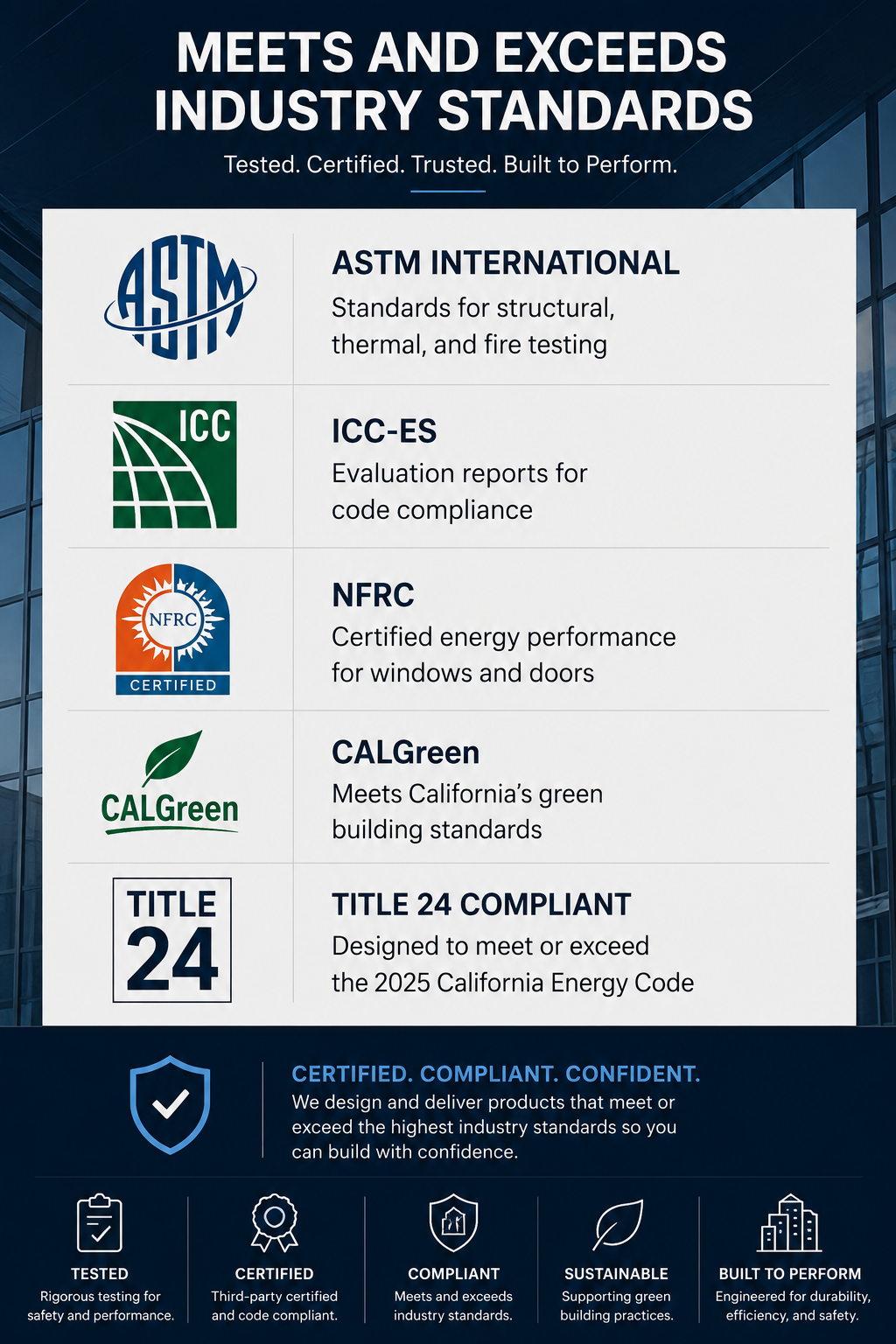
For a factory-built home in California, certified means something closer to a compliance file: plan review, in-plant inspection and formal sign-off, completed before the unit ever leaves the building where it was made. A conventional stick-built addition is reviewed by your local building department at a handful of scheduled site visits. A Karlev ADU goes through that step too. But before it gets there, it also passes through California's Factory-Built Housing Program, a separate state-level review track established under Health and Safety Code section 19980 and Title 25. Two independent bodies check the work instead of one.
The HCD insignia, the headline credential
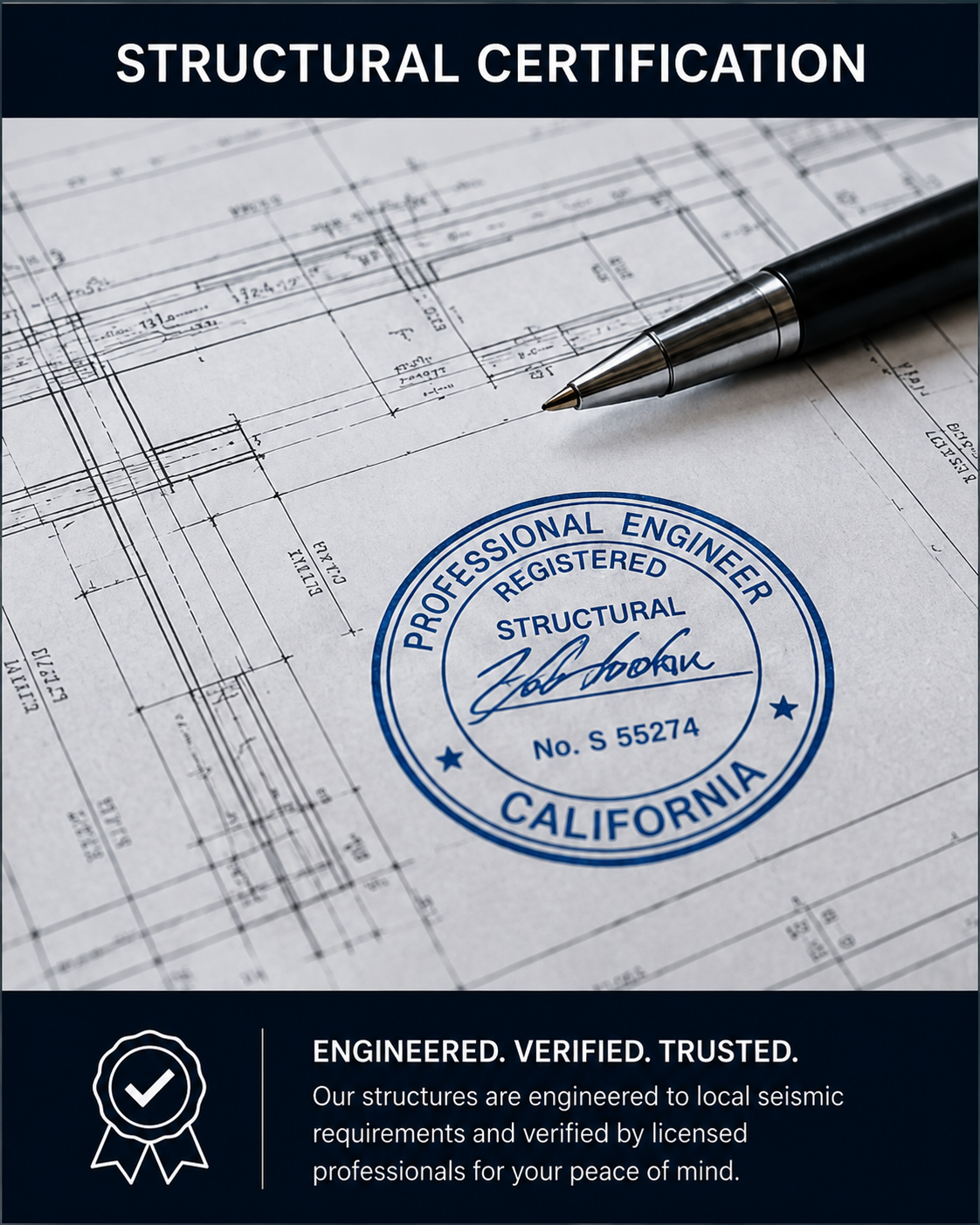
The single most important mark on a Karlev unit is the insignia of approval issued by California's Department of Housing and Community Development, HCD, under the state's Factory-Built Housing Program. It is a physical, state-issued marker affixed to the unit before it ships. Getting there requires two separate things: HCD reviews and approves the complete plan set for the unit, and an HCD-approved Quality Assurance Agency inspects the unit as it is built, in-plant. You are not being asked to trust that a Karlev unit meets code because Karlev says so. A state agency and its approved inspector already checked, before the home left the plant.
Energy code compliance, documented three times over
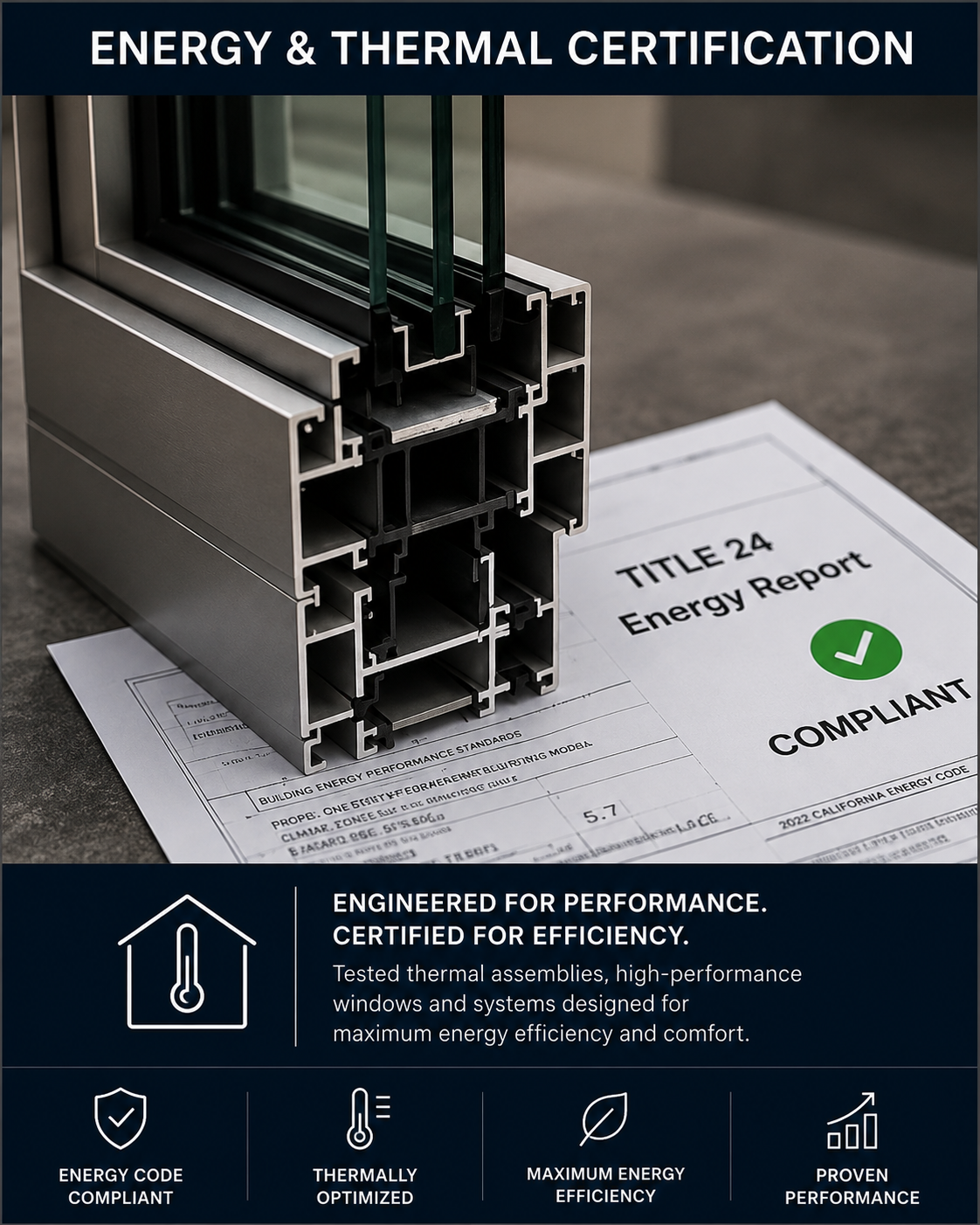
Energy performance is documented through a specific, standardized paper trail required under the 2025 California Energy Code, Title 24 Part 6, which took effect January 1, 2026. A CF1R, Certificate of Compliance, shows the design meets Title 24 energy requirements before construction. A CF2R, Certificate of Installation, confirms the systems and materials that were actually installed match what the design called for. A CF3R, Certificate of Verification, confirms that specific, higher-risk measures were field-tested or field-verified by a certified third party. A homeowner who asks about a unit's energy performance is getting a documented answer, generated at three separate points in the process.
CALGreen, the baseline, not a bonus
CALGreen, the California Green Building Standards Code under Title 24 Part 11, is not optional. It is a mandatory statewide standard, and every project built in California has to meet it as a baseline condition of construction. CALGreen covers material and sustainability requirements that touch a project from site preparation through finishes: construction waste diversion, moisture and indoor air quality controls, and resource-efficient material specifications. Karlev's units meet it as a matter of course, not as a feature.
Karlev's own license, the company behind the home
Karlev operates as a licensed general contractor in California, under the framework administered by the Contractors State License Board, CSLB. The HCD insignia tells you the unit itself was reviewed and inspected. CSLB licensing tells you the company handling your permits, your site work, your insurance coverage and your project timeline is accountable to a state licensing board, with real consequences if it is not. Karlev handling permitting in-house means that accountability sits with one license, start to finish, rather than being split across subcontractors with no single point of responsibility.
Four layers, not one stamp
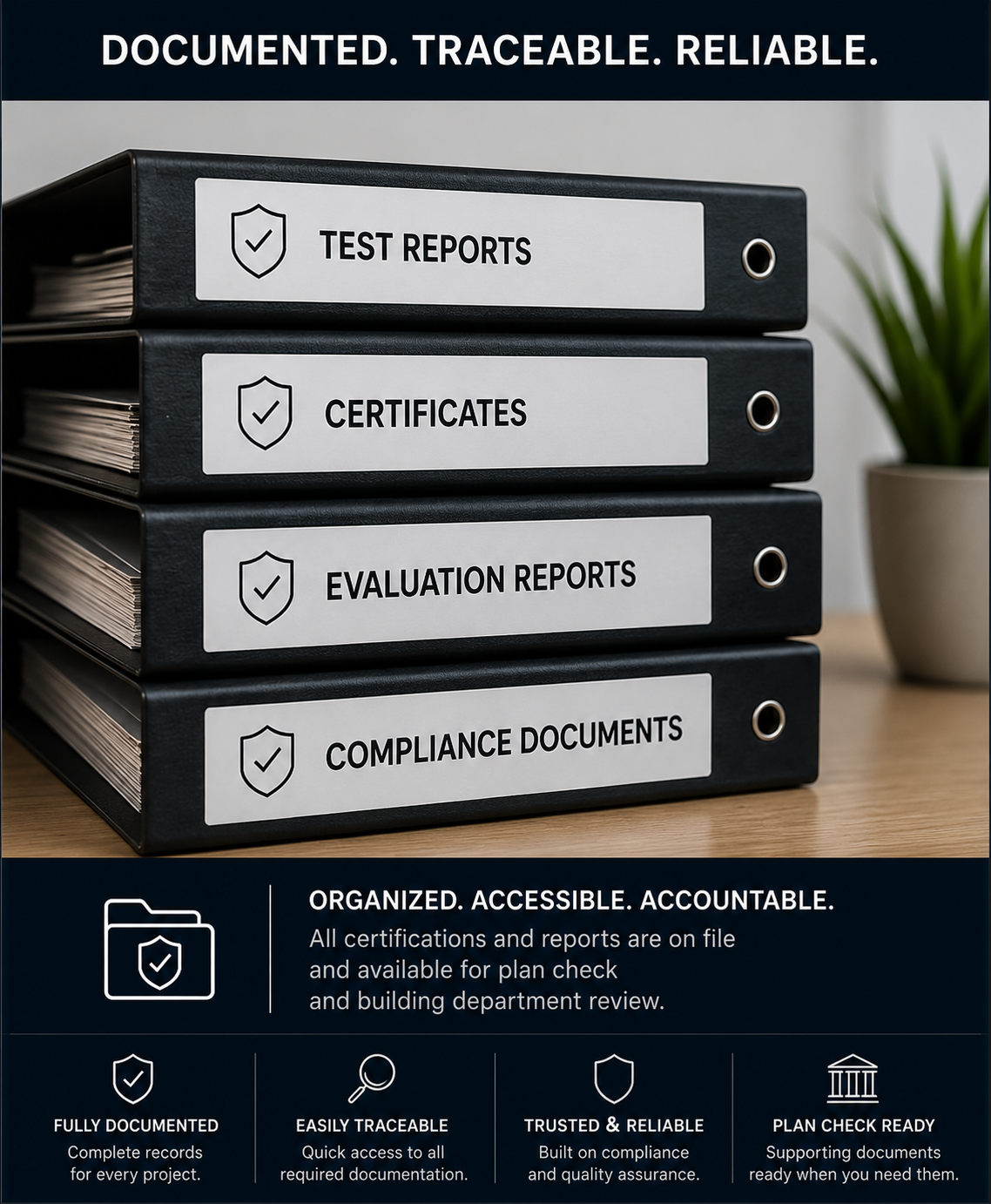
There are four separate layers of accountability behind a Karlev home, each checking something different, each real, and none of them standing in for the others. That is a more rigorous structure than a single certification could ever represent, because no single stamp could honestly answer all four questions at once.
What Documentation actually delivers
Getting to those four layers is what the Documentation and Permitting phase pays for. That phase runs at roughly 10% of the total ADU price and delivers the full compliance package: the permit drawing set, structural engineering, MEP engineering, construction documents and the Title 24 energy report, together with coordination and submittal to LADBS or the applicable jurisdiction. Permit fees themselves are paid by the customer to the jurisdiction, and a geotechnical report, where the lot triggers one, is also a customer-paid line item. Everything else on the compliance side is Karlev's scope, delivered as part of the fixed Documentation fee.
From our experts
Straight from the Karlev engineering team:
Ready to build together?
Talk with Karlev about bringing this technology to your project.