
The first cut is already exact
Long before a structural member is welded into place, it is cut by a machine reading a digital file, not a hand marking a line. That is where Karlev's dimensional accuracy begins.
What CNC means, in plain terms
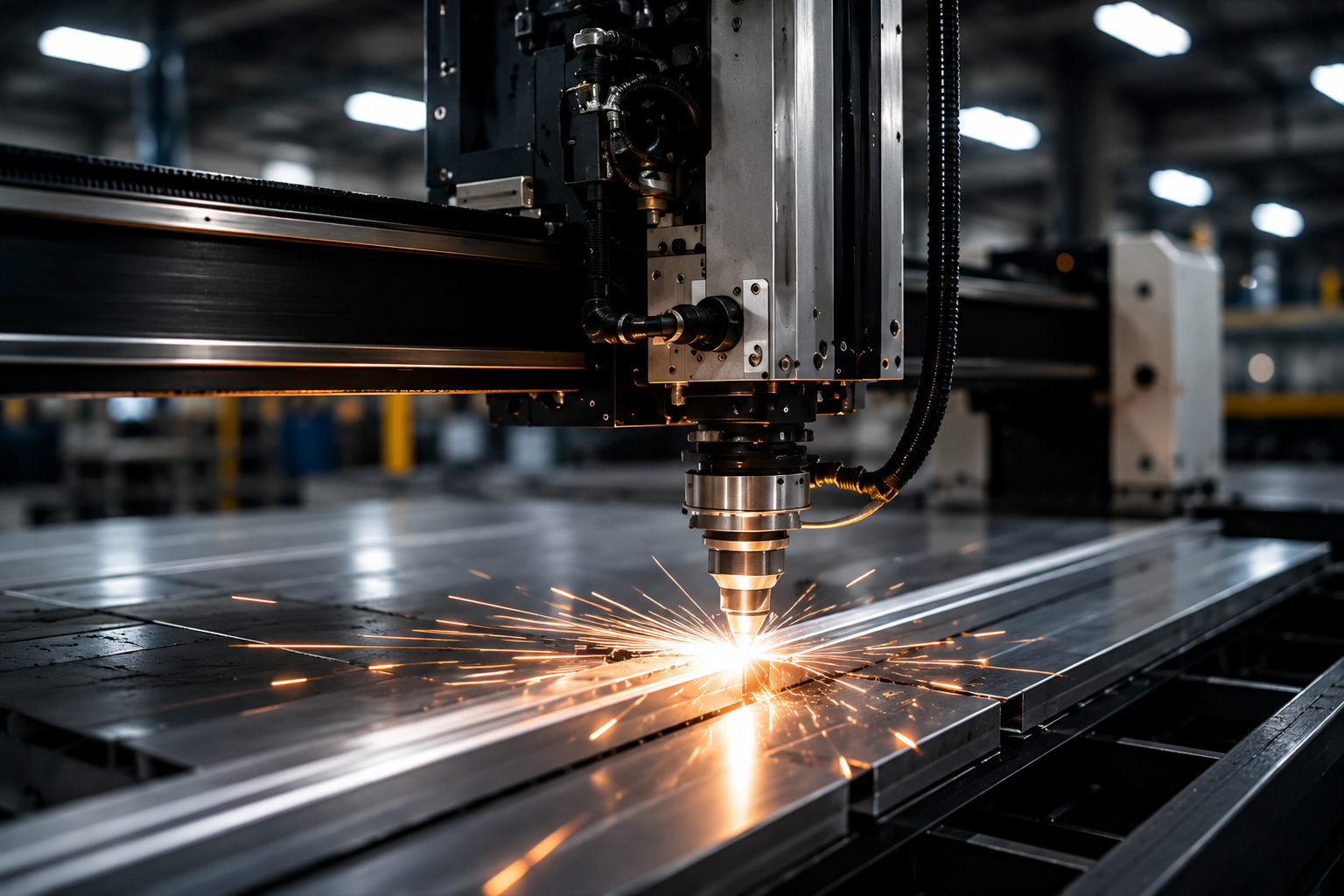
CNC stands for computer numerical control. It is the general term for machine tools, plasma cutters, laser cutters, CNC routers, that cut material by following a digital toolpath instead of a line marked by hand. A program defines exactly where each cut starts, where it ends, and at what angle, and the machine holds that path the same way every time. What matters for a Karlev home is not the machine itself, it is where the cutting instructions come from, and how tightly they connect to everything built afterward.
One model, one cut file
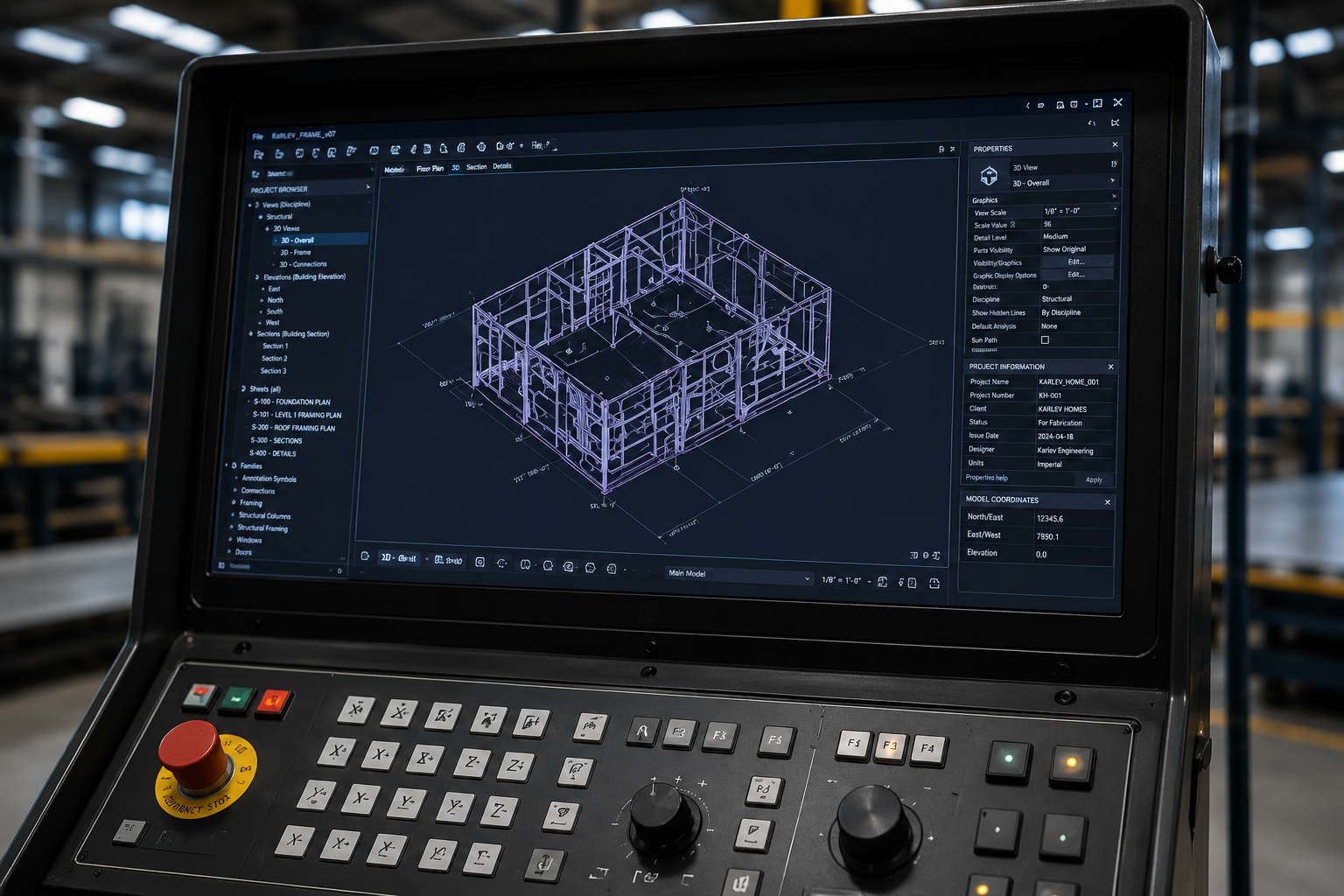
Every Karlev structural member starts inside the same coordinated digital model that defines the whole house. That model already knows a given member's exact length, its cut angle, and where its connection points fall relative to the rest of the frame. The CNC machine reads a cut file generated straight out of the BIM model, and the dimensions it cuts to are the same dimensions the structural design specifies, not a re-interpretation, not a field measurement, not a number copied by hand from a plan sheet onto raw stock. That direct line from model to machine removes an entire category of transcription error before a single cut is made.
Nesting, cutting with intention
Raw stock arrives in fixed lengths and fixed sheet sizes. Before any cutting starts, nesting software lays out every part that needs to come from a given piece of stock, arranging cut lines to fit as many components as possible into the material with as little left over as possible. For a project running hundreds of structural members and panel components, nesting turns the question of how to cut a sheet into a solved problem before the machine ever starts.
Where dimensional accuracy starts
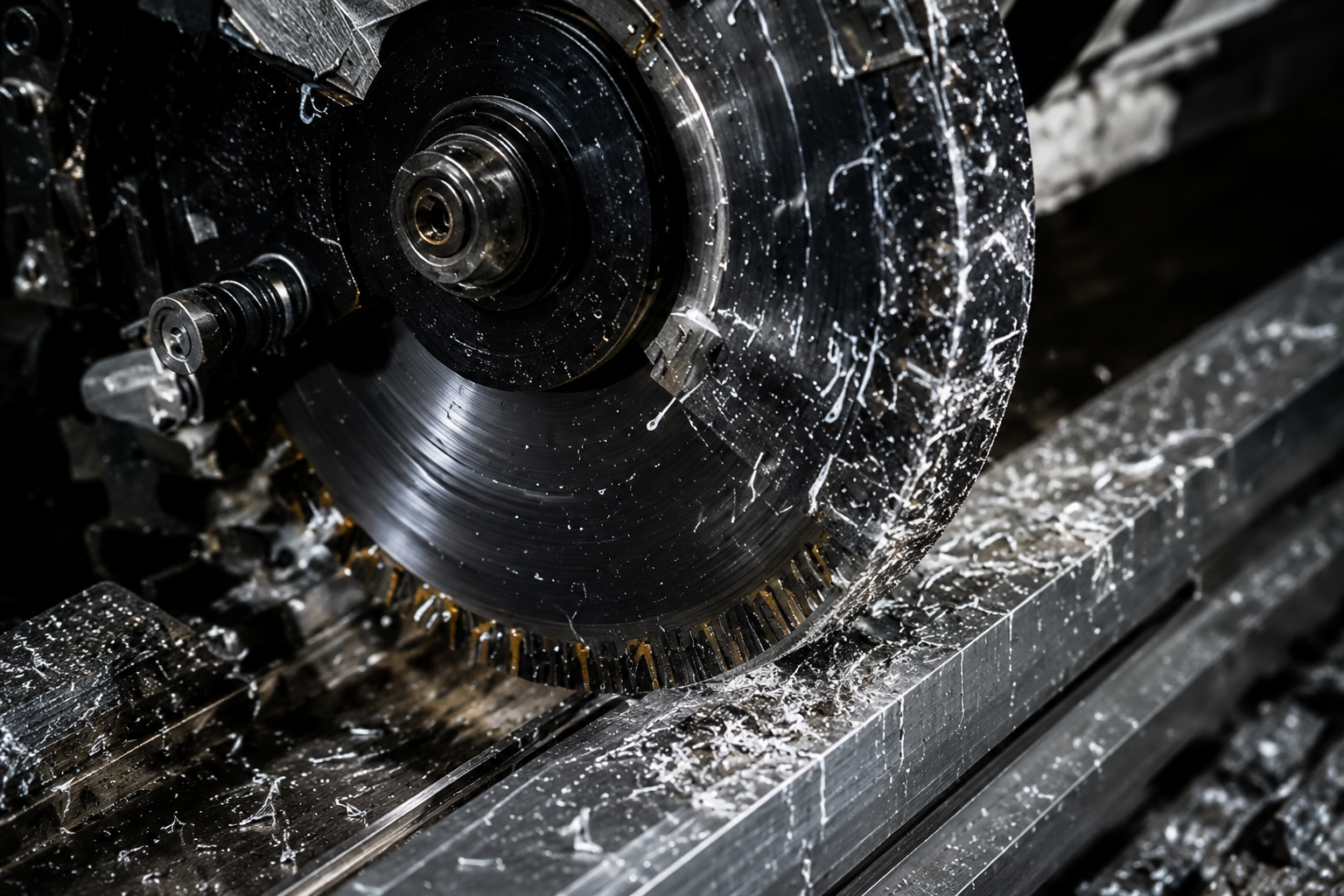
Karlev's structural frame is built to a tolerance of plus or minus half a millimeter. That tolerance does not originate at the welder. It originates here, at the cutting stage, because a weld can only be as accurate as the two pieces it is joining. If a structural member is cut long, short, or at the wrong angle, no amount of careful welding or careful assembly downstream fully corrects it. CNC cutting is where dimensional accuracy either gets established or does not.
Component #1, component #4,000
A CNC machine cuts the first structural member of a project and the four-thousandth the same way, same program, same path, same result. On a job site, the fortieth cut of a long day rarely matches the first, fatigue, small measurement drift, a slightly different read on the same tape measure. In a CNC process, cut four thousand looks like cut one, because the instructions never changed and the machine does not tire.
From our experts
Straight from the Karlev engineering team:
Ready to build together?
Talk with Karlev about bringing this technology to your project.