
Where full-size living is headed next
SmartFrame is not a finished product. It is a platform we keep building on, and this is the direction it is headed next, grounded in the same engineered system already assembling ADUs across Los Angeles.
One engineered platform, always improving
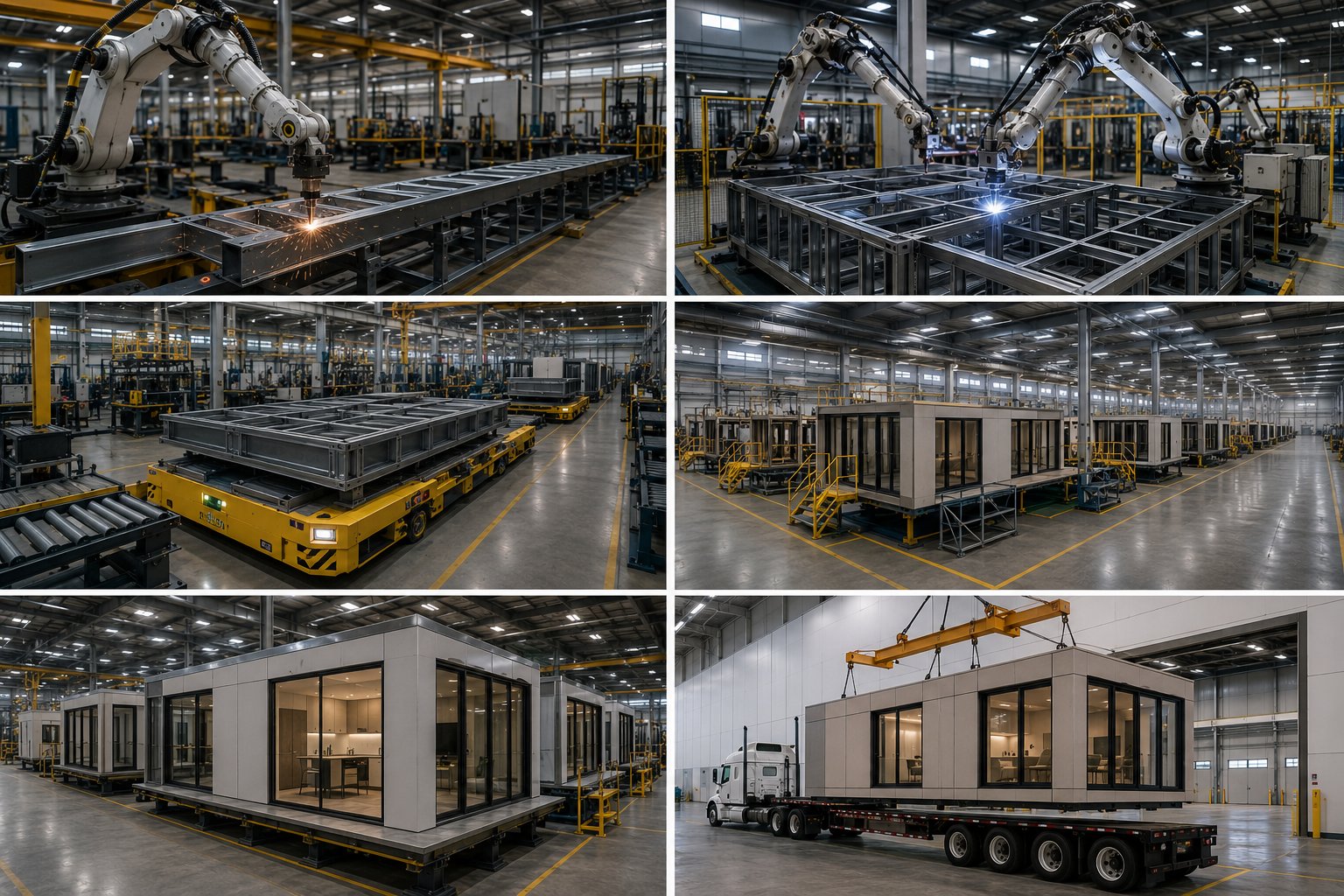
Karlev is not a lineup of products. It is one engineered system, SmartFrame, that gets better every cycle. The space-frame that goes into a 400 SQFT one-bedroom today is the same platform that scales up through the 1,200 SQFT three-bedroom home, refined, not replaced. That distinction matters, because it is the difference between a company chasing gadgets and a company compounding an advantage over time. This page is about direction, not announcements. Everything here builds on what SmartFrame already does: fabricate off-site to ±0.5mm on 6-axis robotics, assemble on-site in as little as four weeks, and hand a customer a home rather than a construction project.
Designing faster, inside the same constraints
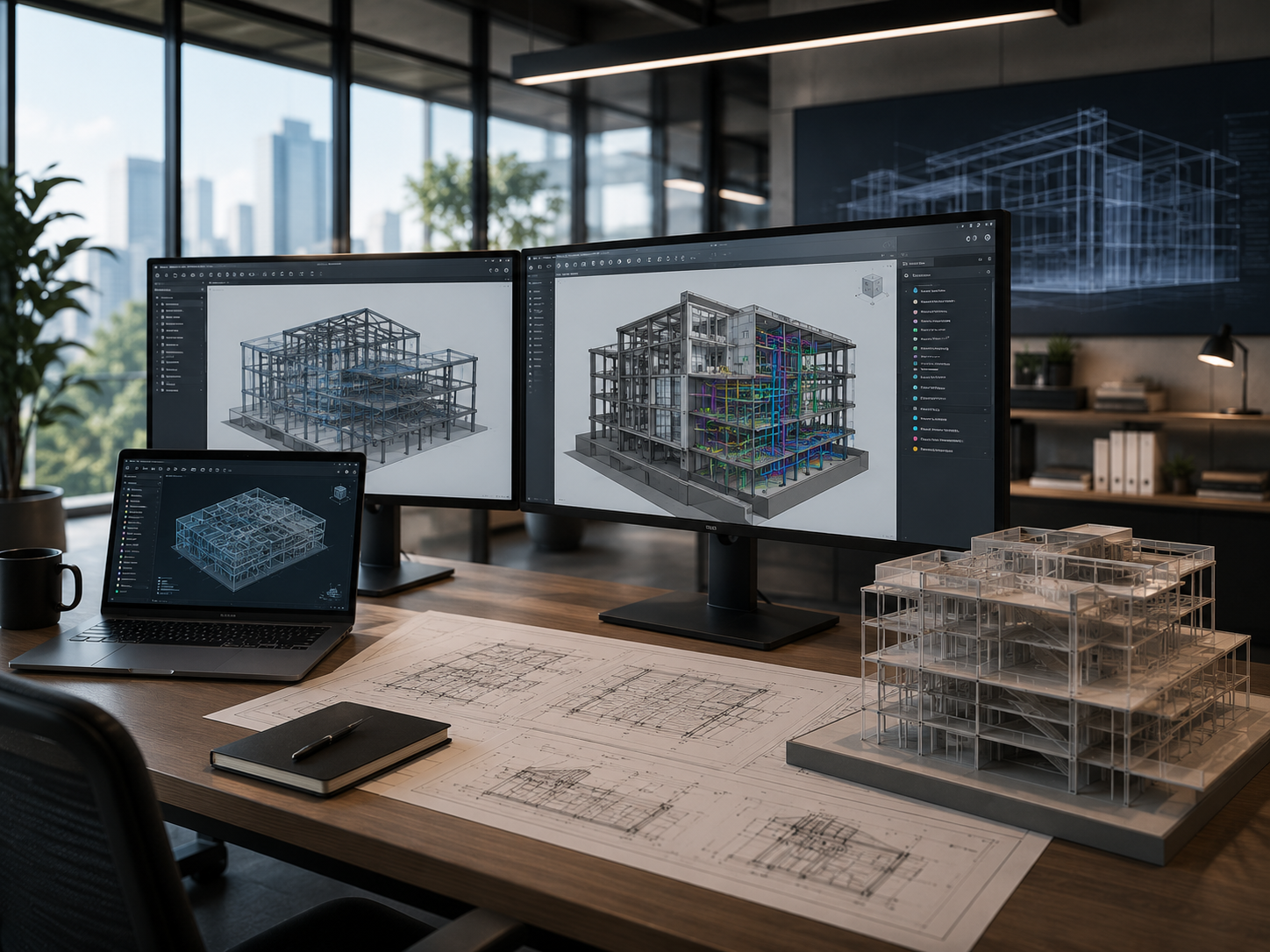
Every SmartFrame home starts as a parametric model: a set of rules about spans, loads, and connections that the frame has to satisfy no matter what floor plan sits inside it. The next step is making that up-front work itself faster. Optimization software, run against the same parametric rules that already govern SmartFrame, can test far more variations of a floor plan, a structural layout, or a material choice than a person iterating by hand ever could, and surface the ones that hold up structurally while using less material or floor area more efficiently.
A digital twin: the home that remembers how it was built
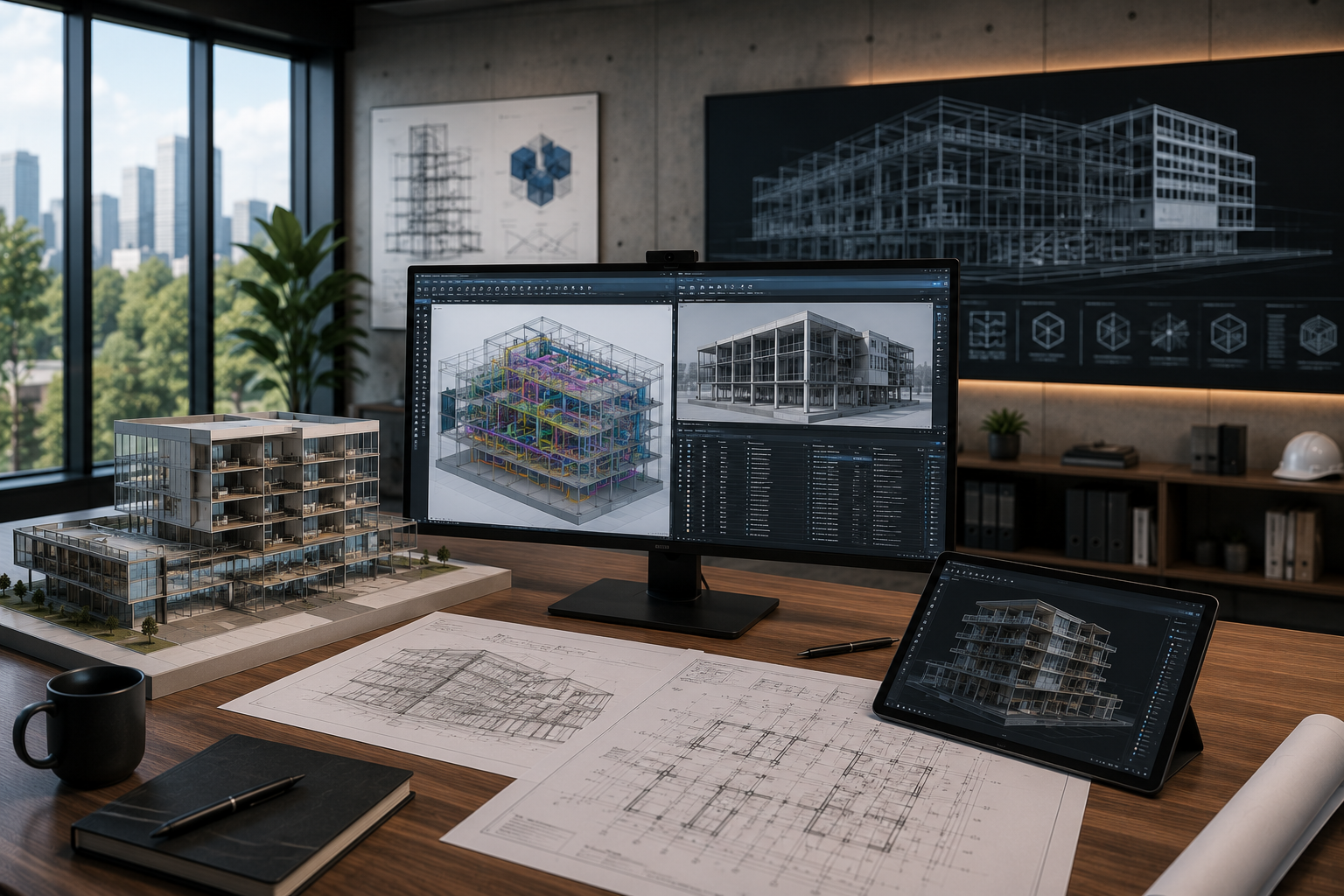
Every SmartFrame unit already exists as a precise digital model before a single panel is fabricated, because that model is what the robots build from. The industry-wide idea building on top of that fact is the digital twin: keeping that model alive after installation, as a persistent, accurate record of exactly how a given home was built, updated as conditions on the ground change. To be clear about where we are: this is an area we are investing in, not a feature Karlev ships today.
More capacity, the same way it works today
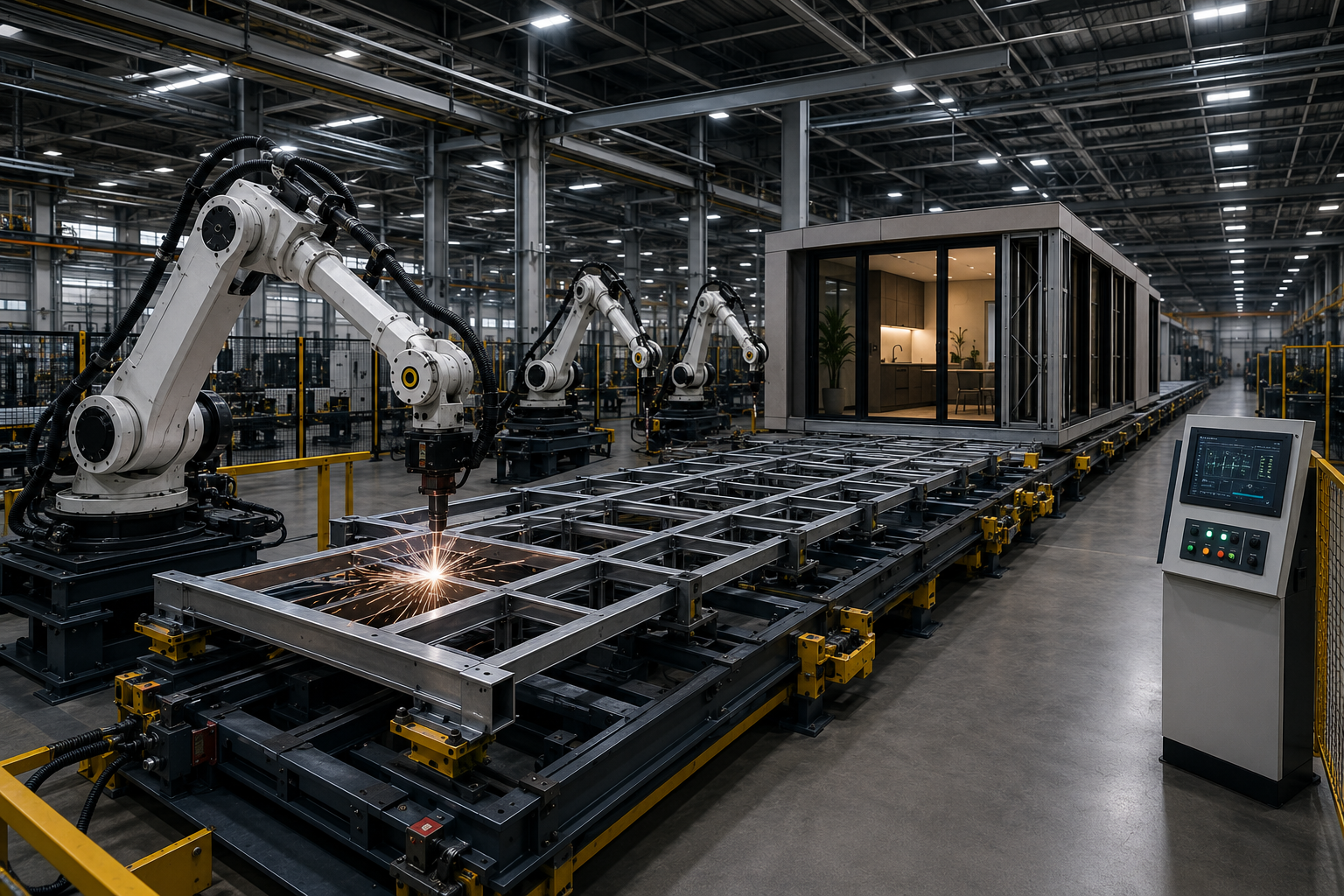
California has spent several legislative cycles trying to unlock more housing supply through smaller-scale, faster-to-build units. The bottleneck that remains is capacity, how many homes can actually get designed, permitted, fabricated, and installed at the pace that policy is trying to make possible. Every improvement in factory automation translates directly into more homes built to the same standard in a given month. This is deliberately not a story about cutting corners to hit volume. The tolerance stays ±0.5mm.
Ahead of the code, not just in response to it
California's building code does not stand still, and it has been moving in one direction for years: toward all-electric, higher-performance buildings. Wildfire-hardening requirements have followed a similar trajectory. What used to live as a chapter inside the Building Code has just been elevated into its own standalone code, the California Wildland-Urban Interface Code, Title 24 Part 7. Our position is to lean into both trends ahead of the mandate, not scramble to meet it the year it becomes prescriptive.
A home that keeps up with its own systems
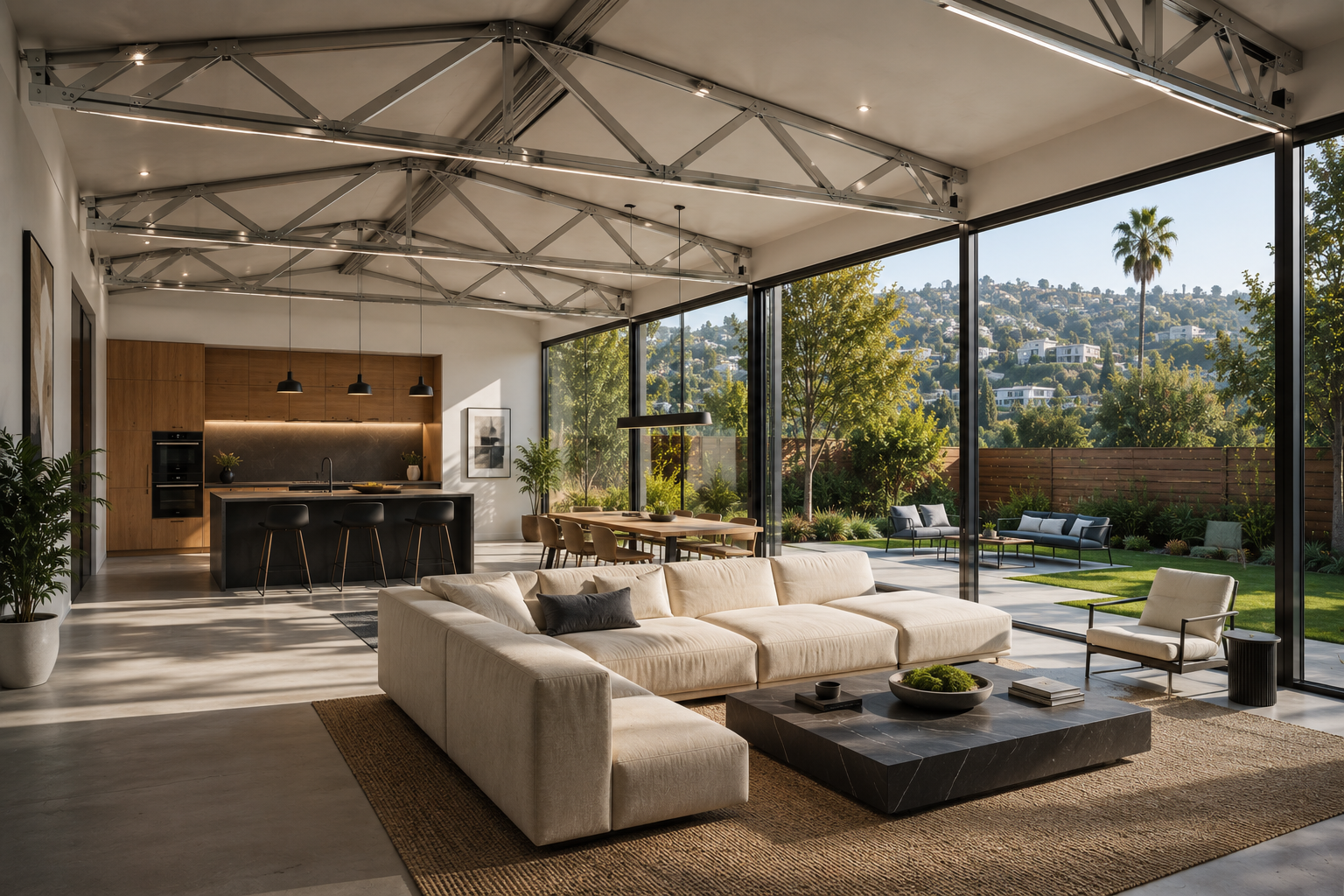
Climate control, energy management, and security already sit inside every home we build, the way they sit inside any modern house. The direction we are working toward is tighter integration between those systems over time: climate, energy, and security behaving as one coordinated system inside the platform rather than as separate boxes that happen to share a roof. Any specific feature set will be announced when it ships, inside a real home, not promised in advance of one.
Karlev's role in what California builds next
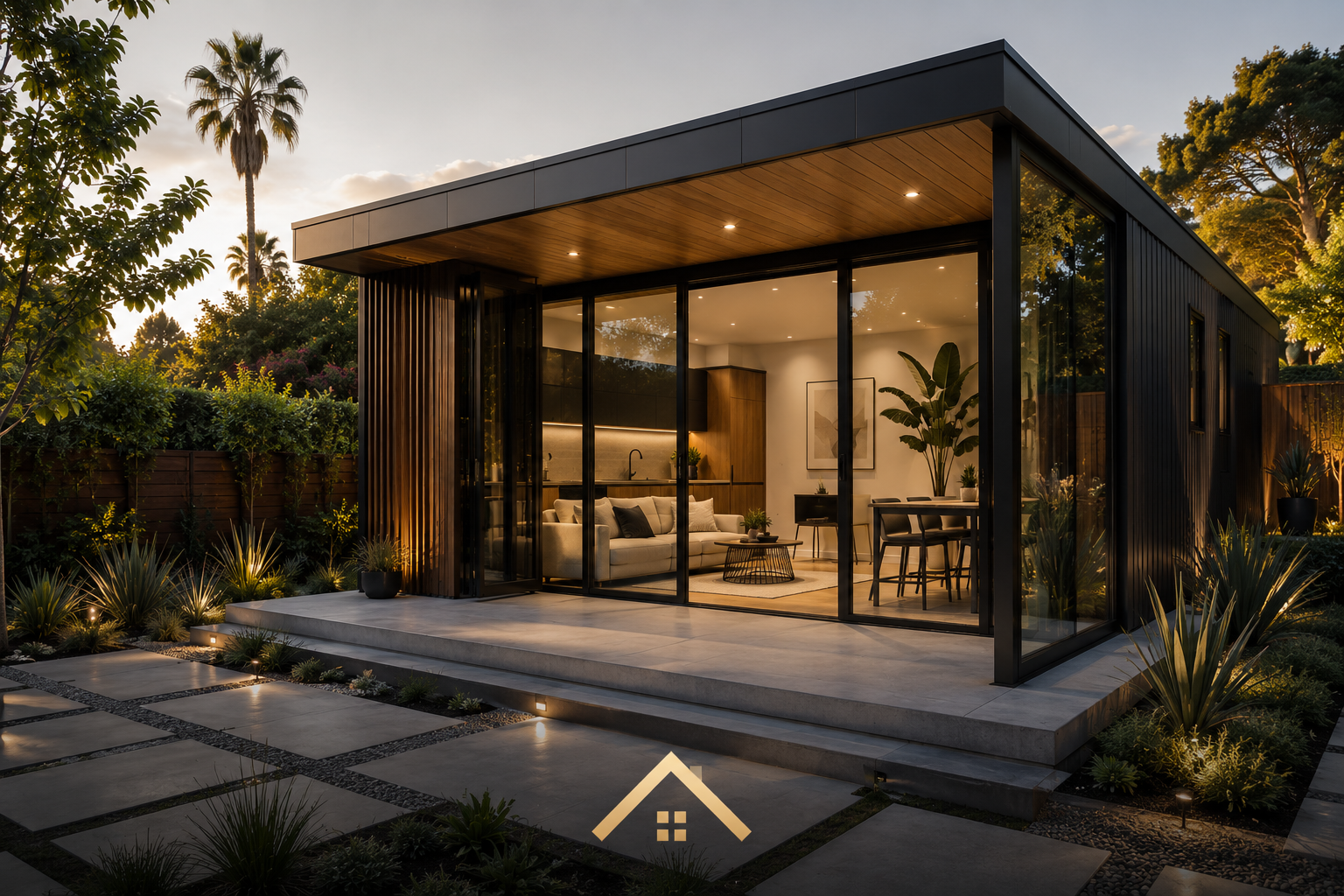
None of this is about a single dramatic leap. It is about one engineered system, built on a proprietary frame, fabricated to a tolerance a wood-framed job site cannot match, and improved deliberately, cycle over cycle, the same way the state's own building code improves cycle over cycle. Faster design tools, a persistent model of every home built, deeper automation, and a build standard set ahead of the mandate are not separate initiatives. They are the same platform, getting more capable at the pace California's housing shortage actually requires.
From our experts
Straight from the Karlev engineering team:
Ready to build together?
Talk with Karlev about bringing this technology to your project.